
Indonesia is a nation that boasts an extraordinary cultural heritage, deeply rooted in its diverse ethnic groups, languages, and traditions. Among the most significant aspects of this heritage are adat (customs) and tradisi (traditions), which serve as the backbone of social life, governance, and identity across the archipelago. These customs and traditions are not merely relics of the past but living practices that continue to shape the daily lives of Indonesians. From rituals and ceremonies to community cooperation and spiritual beliefs, adat and tradisi reflect the values and wisdom passed down through generations.
The Significance of Adat and Tradisi
Adat refers to the traditional customs and norms that guide the behavior of communities, while tradisi encompasses the broader set of practices, beliefs, and cultural expressions that define a society. In Indonesia, these elements are deeply intertwined with the country’s history, religious practices, and social structures. For instance, the concept of gotong royong (mutual cooperation) is a prime example of how adat influences community life, fostering a sense of unity and shared responsibility. This principle is evident in various forms, from agricultural work to disaster response, where villagers come together to support one another.
In addition to gotong royong, other key aspects of adat include:
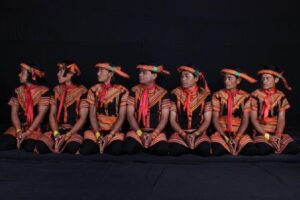
- Rituals and Ceremonies: Many Indonesian communities perform specific rituals during important life events such as birth, marriage, and death. These ceremonies often involve offerings, prayers, and traditional dances, reflecting the deep spiritual connection between people and their ancestors.
- Social Hierarchy and Respect: Adat also dictates social interactions, emphasizing respect for elders, leaders, and community figures. This respect is crucial in maintaining harmony within the community.
- Environmental Stewardship: Traditional ecological knowledge plays a vital role in how communities interact with their environment. Practices such as sustainable farming and fishing are rooted in adat, ensuring the preservation of natural resources for future generations.
Regional Variations in Adat and Tradisi

One of the most fascinating aspects of adat and tradisi in Indonesia is the diversity found across different regions. Each ethnic group has its own unique customs and traditions, shaped by historical, geographical, and religious influences. For example:
- Bali: Known for its intricate Hindu rituals and festivals, Bali’s adat includes elaborate temple ceremonies, dance performances, and offerings to deities. The Kecak dance and Barong performance are iconic examples of how tradisi is preserved and celebrated.
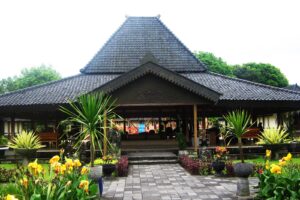
- Java: Javanese culture emphasizes harmony, balance, and spirituality. The Suroboyoan tradition in Surabaya, the Gamelan music, and the Wayang Kulit shadow puppetry are all integral parts of Javanese adat.
- Minahasa (North Sulawesi): The Minahasa people have a rich tradition of communal gatherings, known as mamaksian, where families come together to celebrate important events. Their Christian faith is deeply embedded in their adat, influencing everything from family structure to social customs.
The Role of Adat in Modern Society
While adat and tradisi are deeply rooted in the past, they continue to play a vital role in modern Indonesian society. Many communities have adapted their traditional practices to fit contemporary lifestyles without losing their cultural essence. For example:
- Education: Schools in Indonesia incorporate adat into their curriculum, teaching students about the importance of respect, community, and environmental stewardship. This helps instill a sense of cultural pride and responsibility among the younger generation.
- Economic Development: Local crafts, such as batik and woodcarving, are not only cultural expressions but also significant contributors to the economy. By promoting these traditional arts, communities can sustain their heritage while generating income.
- Tourism: Cultural tourism has become a major industry in Indonesia, with visitors seeking authentic experiences that showcase the country’s rich adat and tradisi. This has led to the preservation and promotion of traditional practices, ensuring their survival for future generations.
Challenges and Preservation Efforts
Despite the resilience of adat and tradisi, there are challenges that threaten their continuity. Urbanization, globalization, and the influence of modern technology have led to the erosion of some traditional practices. However, many communities and organizations are working tirelessly to preserve and revitalize these customs. Initiatives such as cultural festivals, educational programs, and digital documentation help ensure that adat and tradisi remain relevant in today’s world.
In conclusion, adat and tradisi are more than just cultural elements—they are the soul of Indonesian society. They provide a framework for social cohesion, spiritual expression, and environmental sustainability. As Indonesia continues to evolve, it is essential to recognize and protect these traditions, ensuring that they remain a vital part of the nation’s identity for generations to come.